For clinicians ready to re-think concussion careBecome the Clinician Complex Concussion Cases Were Waiting For.
You've learned the protocols. You've taken the courses.
Now it's time to learn how to think beyond them.
Concussion Nerds is a six-month clinical mentorship that helps clinicians confidently assess and treat acute and persistent concussion through an integrative, whole-person approach.
SEE WHAT OTHERS MISS • THINK DIFFERENTLY • GO BEYOND PROTOCOLS • RAISE THE STANDARD OF CONCUSSION CARE
•
SEE WHAT OTHERS MISS • THINK DIFFERENTLY • GO BEYOND PROTOCOLS • RAISE THE STANDARD OF CONCUSSION CARE •
I've done the courses...So Why Do Complex Cases Still Leave Me Feeling Like I'm Missing Something?
You've invested in your education because you care about getting better outcomes for your clients.
You've learned the assessments, the protocols, and the latest evidence. Yet every so often, a concussion client walks through your door and something doesn't quite add up.
Their symptoms don't fit neatly into one category, their recovery has plateaued, and nothing seems to explain the full picture.
If you've ever left an appointment wondering, "What am I missing?" you're not alone.
The problem isn't that you need more information.
It's that you've never been shown how to connect what you already know.
I treated the vision. I treated the vestibular. So why aren't they getting better?Great Clinicians Don't Treat Symptoms. They Understand Systems.
Most concussion education focuses on individual impairments. Vision. Vestibular function. Cervical spine. Exercise tolerance. Each system is important, but none of them exist in isolation.
Real people don't present with isolated problems. They present with a unique combination of symptoms, experiences, compensations, and contributing factors.
That's why following protocols can still leave clinicians feeling uncertain. Protocols tell you what to assess. Frameworks help you understand what it all means.
We teach clinicians how to connect the dots so they can confidently understand the whole person, not just the symptoms in front of them.
CLINICAL CLARITY • CONFIDENT REASONING • BETTER OUTCOMES • CLINICAL CLARITY • CONFIDENT REASONING • BETTER OUTCOMES •
CLINICAL CLARITY • CONFIDENT REASONING • BETTER OUTCOMES • CLINICAL CLARITY • CONFIDENT REASONING • BETTER OUTCOMES •
introducing
The Concussion Nerds Fellowship
What would it feel like to walk into every appointment knowing exactly where to begin?
That's what the Concussion Nerds Fellowship was built for.
This isn't another course you complete and shelve. It's a six-month mentorship experience designed to change how you think, reason, and show up for your most complex clients.
And for many Nerds? Six months is just the beginning.
Inside the Fellowship:
The Curriculum
Rich, evidence-informed modules built system by system — designed not just to teach you more, but to change how you connect what you already know.
Weekly Live Mentorship Calls
Every week, you get direct access to Natasha. Bring your real cases, your real questions, your real uncertainty - and leave with clarity. This is a room where you don't have to have all the answers.
A Community That Stays With You
Many Nerds don't leave when the six months end. They stay — showing up to mentorship calls years later — because this is the kind of community that's hard to find anywhere else. One where you can breathe, let go, and keep growing with a room full of people who get it.
The Immersion Weekend
Optional. In-person. Hands-on. A chance to come together, practice skills, workshop real clients, and leave stronger than you arrived. Once a year, we’re taking it on the road — NERD clinics that celebrate and support our community wherever they are.
The Outcome
The overwhelm gets quiet. Your confidence builds. Your caseload grows. And you get to love this work again — showing up fully for your clients, confident in what you're seeing, building, and creating with them.
Our
Framework.
Each module in the fellowship is broken down into 4 components to create a continuity of structure and flow, to help you better understand the material at hand, so you can apply it to your practice immediately.
Neurophysiology
Concussions are not cookie-cutter injuries – they are unique to each client. Having a strong foundational knowledge of each system and how it functions and integrates in a healthy individual helps us to identify where our clients may be struggling. When we understand the nuances of difference – we can then create specific, individualized treatment plans for change, sooner.
Assessment
This is where we get to put on your detective hat, listen to the words your clients share with you, collect all the data of your clients systems through your detailed, multi-systems approach and put the puzzle pieces together. You’ll be able to not only understand for yourself what’s driving persistent symptoms – but you’ll also be able to explain it to your clients – building deeper trust, rapport and teamwork to move forward for success.
Treatment
Create individualized, specific treatment plans that flow! You will complete these sections with new tools and ways of thinking to create small changes that have a big impact. You’ll throw out silo’d, chunky care and evolve into confidence, creating integrated treatment plans that will challenge your clients to achieve successful outcomes while you both have fun. You’ll also be able to achieve more in a session with way less client flares than before.
Impact After Concussion
Learn what the research highlights for us, and also the lessons from clients and clinical experience. Concussion can impact every aspect of our clients’ lives. Learn how this injury domino’s into the rest of life so you’re better equipped to offer support, tools, strategies and referrals to provide a holistic approach to rehabilitation.
★★★★★
“One of my patients said our assessment was the most thorough she has had by any health professional in 10 years. This made me sad, but excited that we’re on a course to change that!”
-Sarah, Physiotherapist
Why does everything make sense in a course and fall apart the moment I'm sitting with a real client?A Curriculum Designed for Real Clinical Practice.
Throughout these self-paced modules you will be able to digest the material while simultaneously integrating it into your clinical practice. You have me and the Nerds community to answer your questions along the way. You get to say goodbye to overwhelm, confusion and sitting on knowledge with no idea what to do with it.
-
Before we teach you a single assessment or treatment technique, we need to change how you think.
Most clinicians who find their way to Nerds have already done the courses, read the research, and collected the tools. And yet, complex concussion cases still feel uncertain. Stalled. Confusing.
That's not a knowledge problem. It's an integration problem — and that's exactly where Foundations begins.
In this opening module, you'll be oriented to the Nerds philosophy, the learning ecosystem, and — most importantly — the identity shift that defines exceptional concussion clinicians. We introduce the core frameworks that will anchor everything ahead: the Integrated Systems Model, Brain Mapping, the NERDS Treatment Sequencing Models, and the clinical lens that will quietly reshape how you observe, reason, and respond from this point forward.
This isn't orientation for the sake of orientation. It's the container that makes everything else land.
By the end of Foundations, you'll understand not just what Nerds teaches — but why it works.
-
Concussion is finally being taken seriously — and yet most clients are still arriving with advice from a different era of brain science.
Dark room rest. "Your scan is normal, so you're fine." "It's probably just anxiety." These myths are still the dominant messaging in early care pathways, and they're quietly setting people up for prolonged recovery.
This module busts the biggest concussion myths still circulating today, anchors them with modern evidence, and then zooms out to the epidemiology — because the numbers make the urgency impossible to ignore.
The demand for skilled, specialized concussion clinicians is massive, growing, and chronically underserved. This module shows you exactly why your expertise matters — and why the world needs more of it.
-
You won't find this in most concussion programs.
Before the nervous system can adapt, it needs one thing first: safety. And yet most concussion rehabilitation skips straight past it — jumping into exercises and progressions before the brain is actually ready to receive them.
This module changes that.
We open with primitive reflexes — patterns meant to integrate early in life that often re-emerge after concussion, trauma, or chronic stress. When unaddressed, they quietly influence posture, vision, vestibular processing, and emotional reactivity, keeping clients stuck regardless of how well-designed the rest of the plan is.
From there, we move into The Safety Effect — how the brain decides whether it's safe to adapt or whether it needs to protect. Through the lens of Polyvagal Theory, neuroception, and co-regulation, you'll learn how subtle cues in your environment, your voice, your presence, and your sequencing can either open or close the door to change.
And then we get practical. The Calm Before the Brainstorm brings it all into the clinic — concrete tools and session strategies for creating enough safety, containment, and coherence before you ask the nervous system to do more.
This is where the rest of the work stands.
-
The first 10 days matter more than most clinicians realize.
This module is your comprehensive clinical guide to acute concussion — from the neurometabolic cascade unfolding at the cellular level, to the assessment tools that actually predict recovery, to the treatment decisions that can change a client's entire trajectory.
We cover what's happening in the brain post-injury, why symptom resolution doesn't equal brain recovery, and how to identify the yellow flags that signal a complex road ahead. You'll learn the seven concussion phenotypes — the distinct presentation patterns that should be driving your individualized treatment planning — and how to move confidently from assessment to action using tools like the VOMS, Buffalo Concussion Tests, active stand testing, and the Risk of Delayed Recovery Score.
We also tackle what the textbooks often skip: return to learn, psychological readiness for return to sport, and why early education isn't a nice-to-have — it's one of the most powerful interventions you have.
By the end of this module, you'll know exactly what to do in that critical early window — and why it makes all the difference.
-
Ask any group of clinicians where they feel least confident in concussion care — autonomics comes up every time. And yet it's the system quietly driving so much of what we see: the fatigue that doesn't make sense, the exercise intolerance, the brain fog that won't lift, the client who crashes after an hour of concentration.
These aren't random symptoms. They're the autonomic nervous system asking for help.
This module builds the foundation most clinicians never got — anatomy, physiology, the vagus nerve, the Central Autonomic Network — and then takes it straight into the clinic with assessment tools, treatment hierarchies, and practical strategies you can use immediately.
This is the module that makes the rest of your concussion work make sense.
-
Involved in up to 81% of concussions — and still one of the most under-assessed systems in rehab.
This module takes you from peripheral end organs to central pathways, building the neurophysiology you need to actually understand what you're seeing clinically. Then we get to work: BPPV across all canals, unilateral vestibular loss, vestibular migraine, PPPD, gaze stabilization, otolith rehab, and cerebellar training.
The vestibular system doesn't just control balance. It shapes cognition, autonomic regulation, and how safe the nervous system feels in the world. When you understand it at that level, everything else clicks.
-
Smooth pursuit and saccades are just the beginning.
The visual system is affected in up to 70% of concussions, and yet most clinicians stop at the basics. This module goes deeper — into the neurophysiology, the cortical and subcortical pathways, and the full complexity of how vision shapes everything from balance and cognition to autonomic state and spatial awareness.
Because when you truly understand the visual system, you stop chasing eye movements and start understanding the brain behind them.
-
Most clinicians acknowledge the neck. Very few actually finish the job.
The cervical spine is involved in up to 85–90% of persistent concussion cases — and yet it remains one of the most under-assessed systems in the field. Not because clinicians don't care, but because the dominant narrative has always been brain-first, brain-only. The neck gets a quick check and a note in the chart. Meanwhile, the client keeps struggling.
This module goes all the way. From deep cervical anatomy and the suboccipital sensory system, to the myodural bridge and its direct connection to the dura mater, to cervicogenic dizziness, upper cervical instability, and proprioceptive rehabilitation — this is cervical spine education built for the complexity of what we actually see in the clinic.
You'll learn why symptom report alone can't tell you whether the neck is driving the picture, how to assess with the precision this system demands, and how to build treatment that goes far beyond manual therapy and range of motion work.
The neck is not a passive structure in concussion. It's time we treated it that way.
-
It's the system that rarely gets its own chapter in concussion education — and it should.
The somatosensory system is quietly involved in everything: postural stability, movement quality, spatial awareness, and how safely the brain distinguishes self from environment. When it's disrupted after concussion, the signs are subtle and almost always missed — because we simply weren't looking for them.
This module changes that. We break down the neurophysiology, explore what the emerging research tells us about somatosensory dysfunction post-concussion, and build a practical assessment and treatment approach — including imagery, graded motor imagery, and sensory retraining to help remap what the injury disrupted.
A system this important deserves a closer look. This is it.
-
It rarely gets a dedicated chapter in concussion education — but it deserves one.
The auditory system is more vulnerable to concussion than most clinicians realize, and yet it's almost never screened for. This module changes that. We explore how the auditory system is impacted after brain injury, how to identify it clinically, when to refer, and how to layer what you're finding into your broader treatment approach.
Another system. Another piece of the puzzle. Another reason your clients finally start moving forward.
-
"I don't feel like myself anymore."
It's the complaint clinicians hear most often — and the one most likely to go unaddressed. Not because we don't care, but because standard tools frequently miss it. A patient can score normally on a cognitive screen while working twice as hard to get there, draining the reserves that make daily life possible.
This module closes that gap. We move through all six DSM-5 cognitive domains — building the clinical foundation to understand what concussion actually does to each one — then get practical with a comprehensive toolkit of outcome measures drawn directly from the research.
Approximately half of individuals with a single mTBI demonstrate measurable long-term cognitive impairment. Your patients know something is wrong. This module gives you the framework to find it, name it, and treat it.
-
Concussion doesn't happen in a vacuum — and neither does recovery.
The emotional and psychological dimensions of brain injury are among the most impactful and most overlooked aspects of the clinical picture. Trauma responses, mood dysregulation, anxiety, and depression aren't just comorbidities to note in the chart — they are active participants in recovery, and ignoring them changes outcomes.
This module explores the intersection of concussion and affective health: the impact of trauma on the healing brain, the tools to screen and track what you're seeing, and how to work collaboratively with mental health colleagues to ensure your clients get the full picture of care they deserve.
-
For many of the clients who find their way to us, the concussion is just the beginning of the diagnostic picture. Functional Neurological Disorder, Postural Orthostatic Tachycardia Syndrome, and Persistent Postural-Perceptual Dizziness don't replace the concussion diagnosis — they layer on top of it, complicate it, and are frequently missed entirely.
This module is dedicated to the intersections. We take a closer look at how each of these conditions relates to concussion, how they present clinically, and what it means for your assessment and treatment approach when more than one system is driving the picture.
Because understanding what you're dealing with changes everything about how you treat it.
-
This is where it all comes together.
You've built the foundation. You understand the systems. Now we get into the work clinicians love most — taking everything you know and turning it into a treatment plan that actually moves the needle.
This module is about structure, dosing, and creating the right intensity for change. We'll show you how to sequence your clinical reasoning, how to build sessions that are targeted and progressive, and how to know when to push and when to pull back.
And here's the part that changes everything: you don't have to follow the traditional physio model. In fact, when you're willing to do things differently — when you let go of the rigid frameworks and start meeting the nervous system where it actually is — change happens faster. For you and for your clients.
This is the module that turns knowledge into outcomes.
-
The physiology matters. And it's not the whole story.
Some of the most powerful levers in concussion recovery aren't found in assessment findings or treatment techniques — they're found in how someone is sleeping, what they're eating, whether they feel connected to the people around them, and the story they're telling themselves about getting better.
This module is the reminder that we treat people, not brains. We explore the evidence-informed impact of nutrition, sleep, socialization, habits, and mindset on recovery — and how to weave these conversations into your clinical practice without it feeling like a wellness lecture.
You'll also walk away with a practical toolkit and client-ready handout you can put to use immediately — because the whole person approach is only as good as your ability to bring it into the room.
-
Clinical excellence fills the room. But someone has to open the door first.
You did not join Nerds to stay the best-kept secret in your community. This module is about making sure you don't.
We cover the practical fundamentals of building a concussion caseload — from your first referral letter to your first intensive — including how to build your reputation, develop your programs, and generate the leads that actually fill them.
Because full caseloads and waitlists don't happen by accident. They happen when exceptional clinicians show up, do the work, and let their communities know they exist.
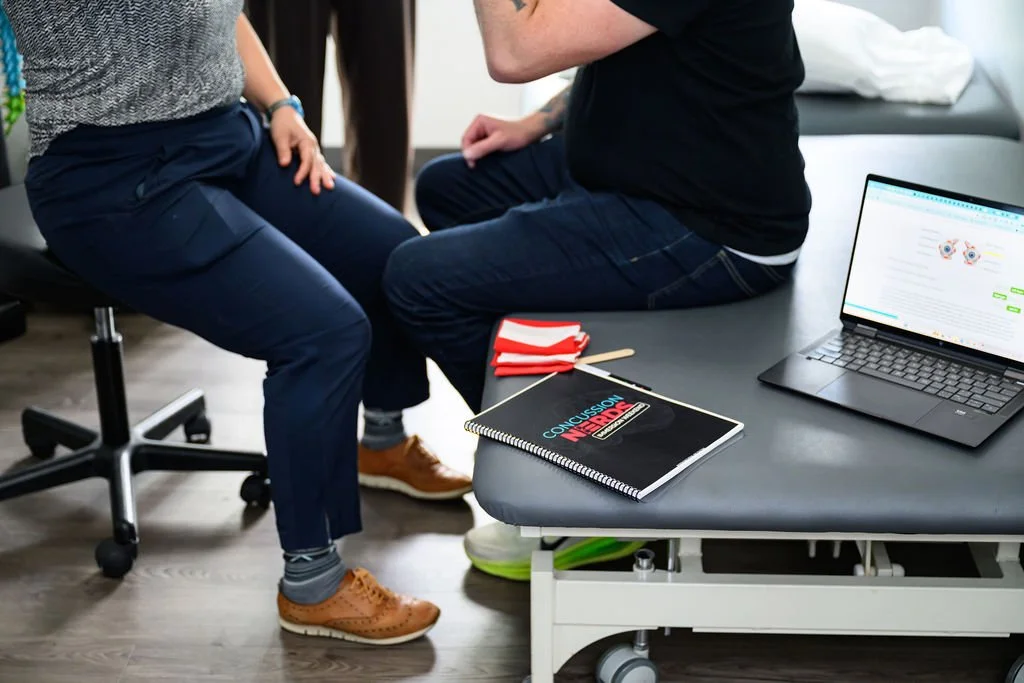
Inside the Fellowship
MORE THAN A CURRICULUMYour Growth Doesn't End With the Fellowship.
At Concussion Nerds, we believe becoming a better clinician is about more than completing modules. It's about continuing to learn, staying curious, and surrounding yourself with people who challenge your thinking.
That's why your Fellowship includes exclusive resources and opportunities designed to support your clinical growth, professional development, and connection with the wider Concussion Nerds community.
So in addition to everything above you ALSO get access to:
Guest Knowledge Vault
Continue learning from leading experts across concussion, neuroscience, physiology, rehabilitation, and personal development through an ever-growing library of exclusive masterclasses. Gain fresh perspectives, deepen your understanding, and expand your thinking long after the core curriculum is complete.
Breathwork Library
Experience the power of nervous system regulation firsthand with a collection of guided breathwork sessions led by The Breath Nurse. These practical classes support your own wellbeing while providing valuable insights you can carry into your clinical practice.
Concussion Nerds Clinical Directory
Once you've completed the Fellowship and earned your certification, you'll be invited to join the Concussion Nerds Clinical Directory. It's our way of recognising your achievement while helping clients, healthcare professionals, and referring practitioners connect with trusted Concussion Nerds clinicians in their area.
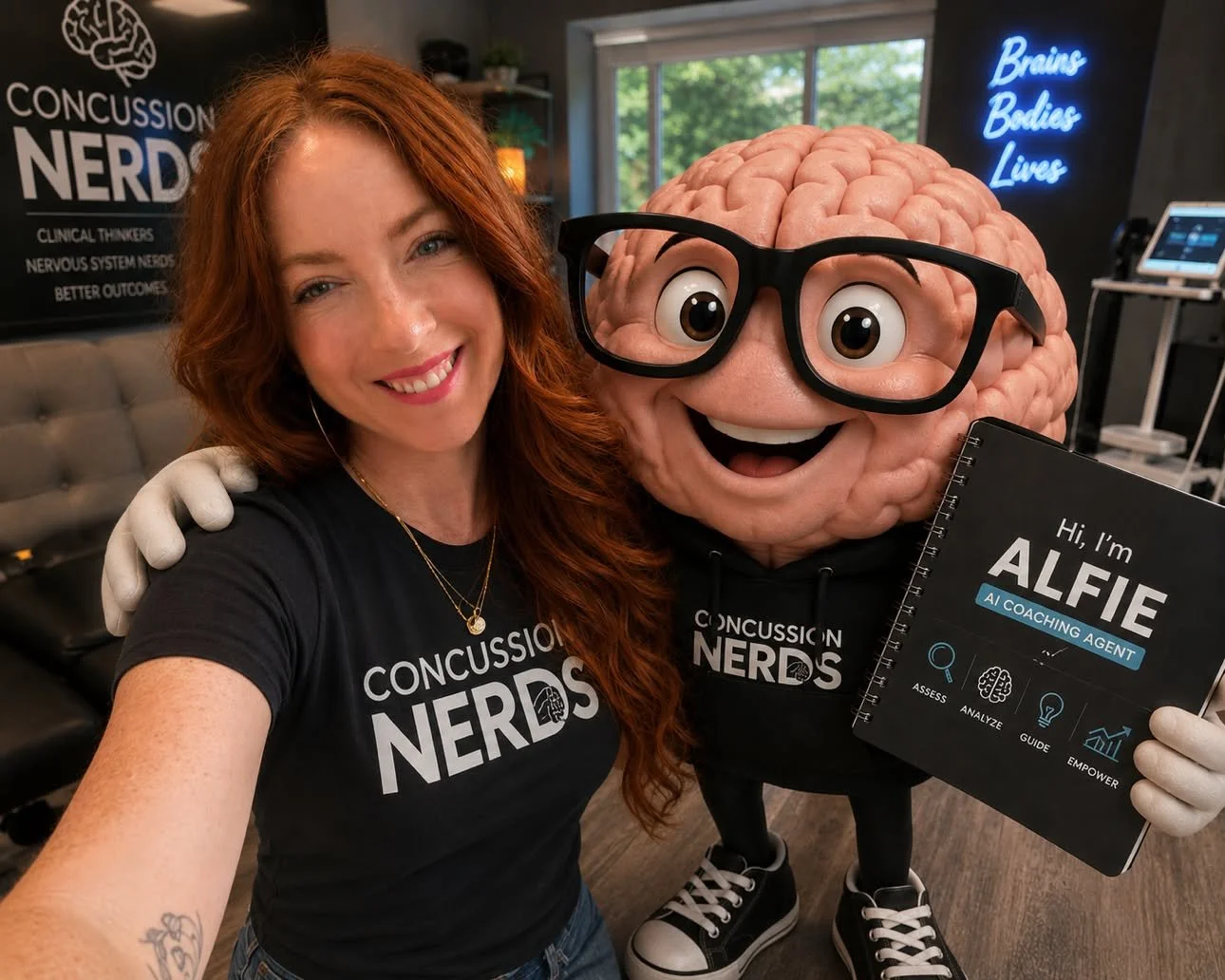
YOUR AI COACHING SUPPORTMeet Alfie
Guidance When You Need It Most.
Learning doesn't stop when the mentorship call ends.
Meet ALFIE, your AI Coaching Support and resident Concussion Nerd. Trained exclusively on the Concussion Nerds curriculum, workbooks, podcast episodes, live call transcripts, and clinical resources, Alfie is designed to help you keep learning, keep questioning, and keep growing between sessions.
Unlike a generic AI tool, Alfie understands the Concussion Nerds Framework and the way we think. Whether you're revisiting a concept, exploring a complex case, or looking for a fresh perspective, you'll have access to guidance that's built specifically around the Fellowship.
When will you use ALFIE?Late-night clinical questions
Working through a challenging client case after hours? ALFIE is ready whenever you are.
Between appointments
Need a quick refresher before your next session? Ask Alfie and get answers grounded in the Fellowship.
Deepen your understanding
Explore topics in greater depth, revisit past lessons, or connect ideas to your own clinical practice.
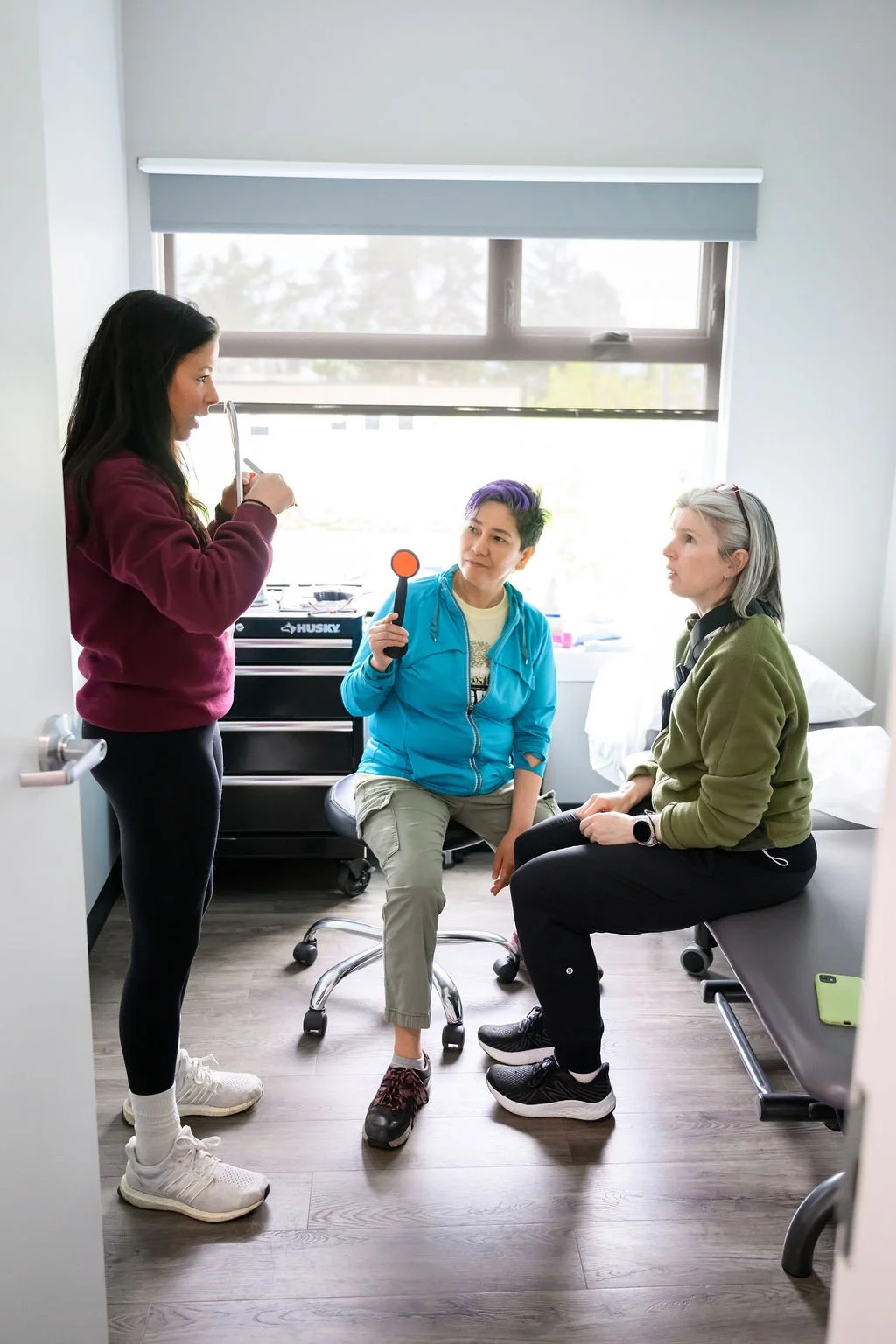
One of my biggest goals has always been to make mentorship more accessible. ALFIE means you're never limited to waiting for the next call to keep learning.
This is the Concussion Nerds experience.
Take a look at the unforgettable journey that transforms not just your practice, but your professional identity.

Day 1: A Warm Welcome
The moment you enroll, you're welcomed into a vibrant, multidisciplinary community of clinicians who share your passion for concussion care
Drop your introduction in the private group and start making connections right away.
No waiting. No warming up period. You belong here from day one.
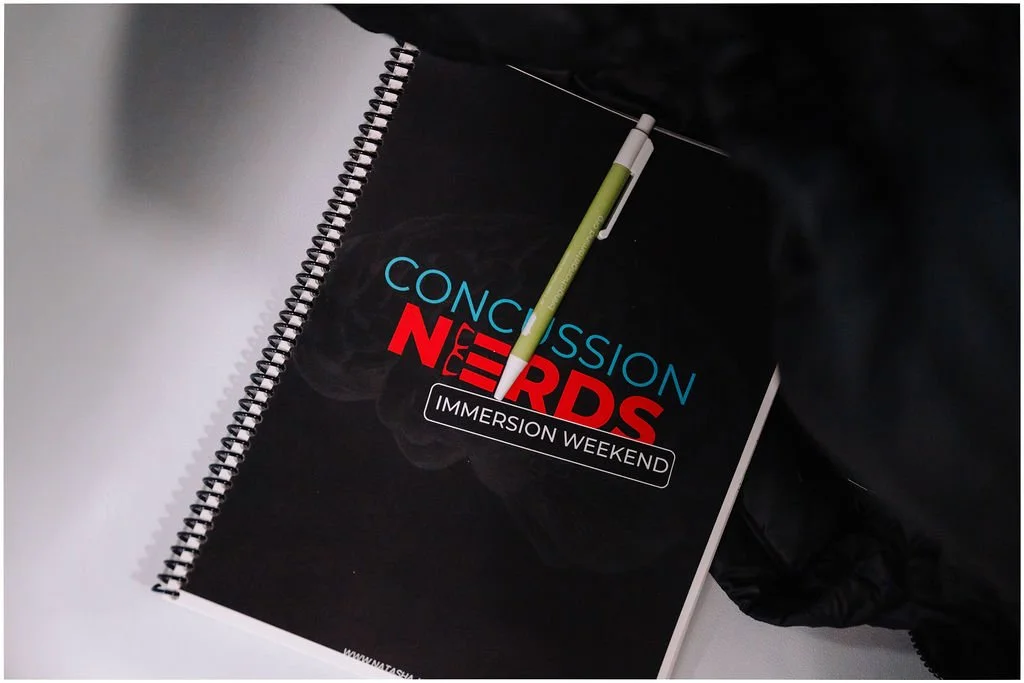
Your Personalized Start
Your journey kicks off with a 1:1 onboarding call with Natasha.
This is where we get to know you: your goals, your challenges, and what you want to walk away with.
This is your tailored roadmap to success.
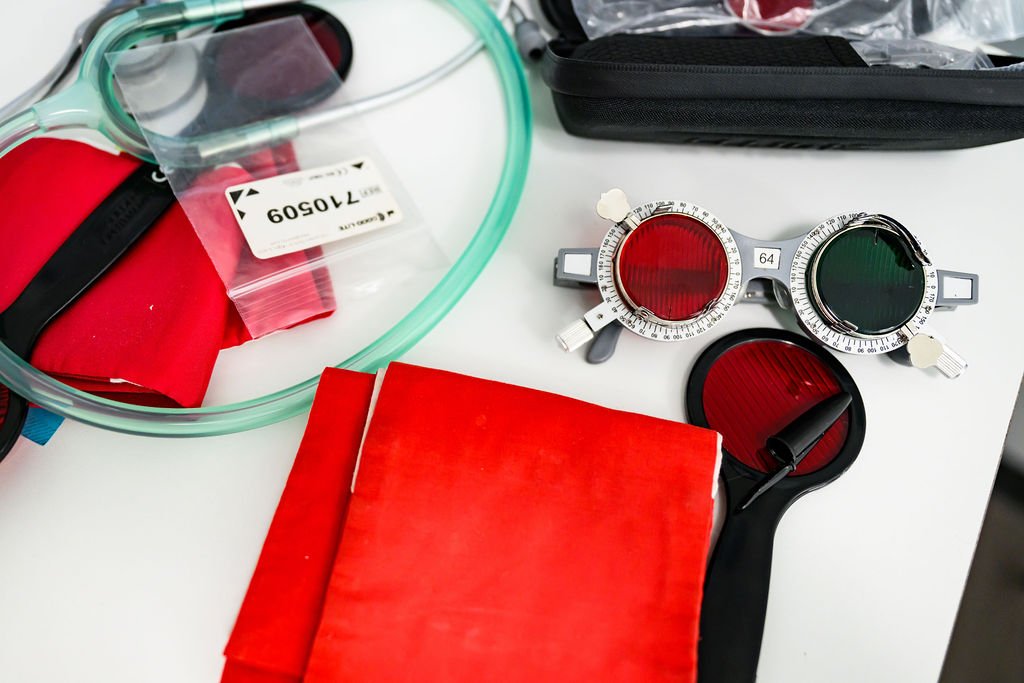
Weekly Mentorship with Natasha
Every week you show up live with Nat - bringing your real cases, your real questions, your real uncertainty.
Get direct guidance, actionable insights, and the kind of clinical support you didn't know you were missing.
Connect with your peers, collaborate on complex cases, and celebrate wins together.
This is where the growth happens - and all you have to do is show up.
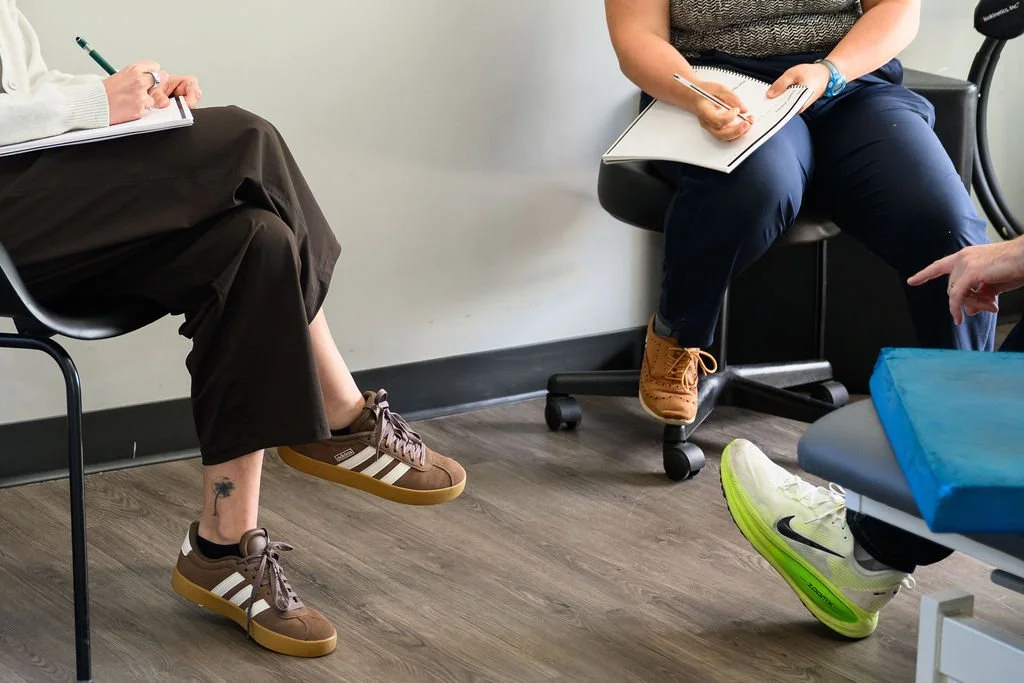
Deeper Learning at your own pace
In parallel, you're working through a self-paced core curriculum with a depth and precision that doesn't exist anywhere else in concussion education.
Most Nerds have taken the well-known courses — and recognized they needed more. For others, this is their first deep dive into concussion care. Either way, you've found the right place.
As the Fellowship grows, so does The Answer Vault — an ever-expanding searchable library of real call moments, broken into clips by question, so the collective wisdom of every cohort before you is always at your fingertips.
You'll leave with a profound understanding of neuroscience and integrated clinical reasoning that changes how you see every client who walks through your door.
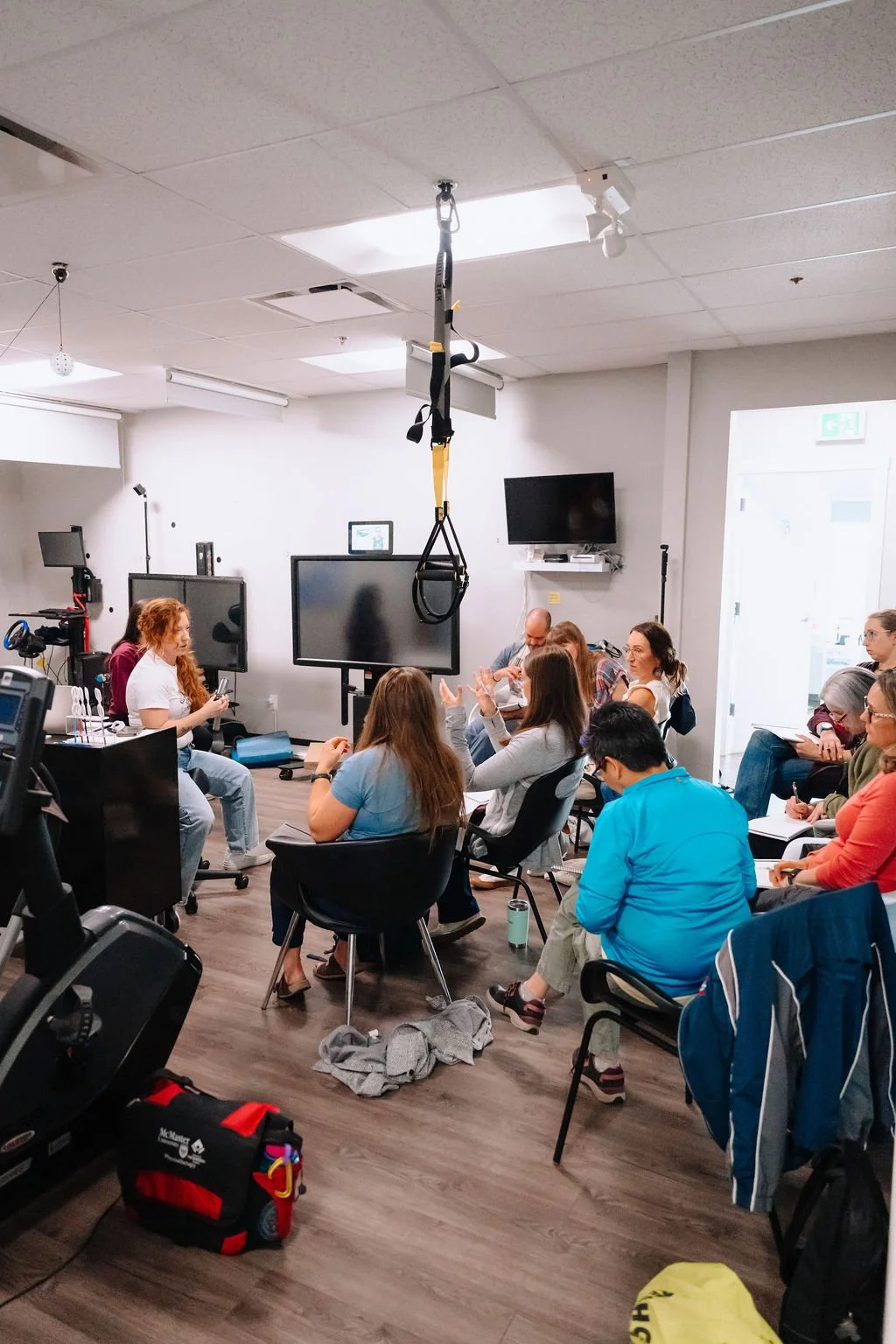
The Ultimate Experience: Immersion Weekend
Meet your fellow Nerds in person — choose your weekend, Spring or Fall.
Refine your assessment skills, workshop real treatment plans, and practice alongside clinicians who push you to be better.
You leave inspired, sharper, and with a built-in referral network of like-minded experts.
Some connections made here last a career.
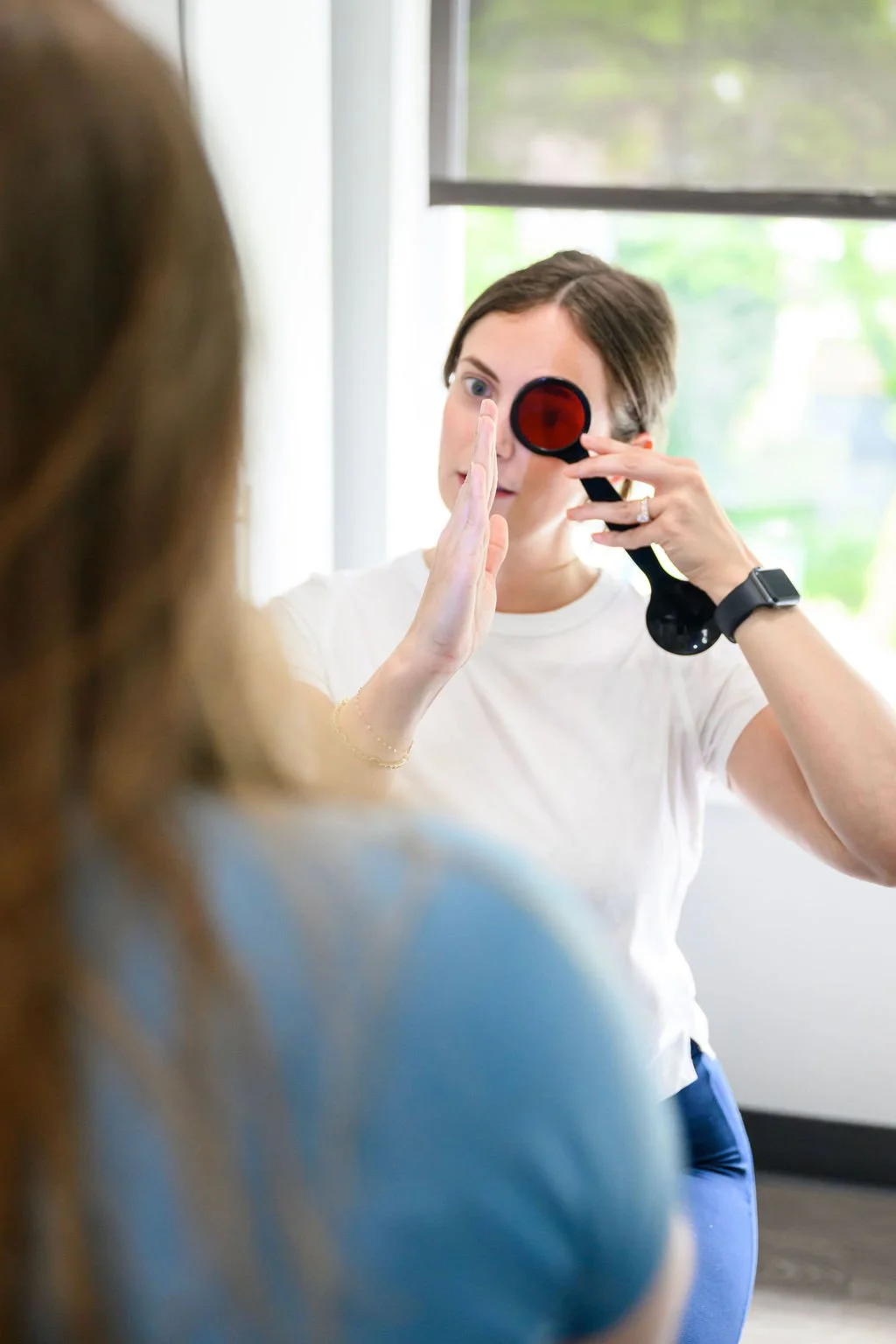
The Transformation
By the end of six months, you’ve gained unshakable confidence and an elevated skillset.
Seeing concussion clients on your schedule now sparks excitement, not uncertainty.
Your thriving caseload reflects your expertise, and your clients are experiencing life-changing results.
WHAT HAPPENS WHEN EVERYTHING finally CLICKS
“I have so much more confidence!”
My clients have noticed a change in my excitement and passion for their treatment, and then THEY get excited learning about how their brain works. My passion helps them see the light at the end of the tunnel.
— Andrea, Physical Therapist
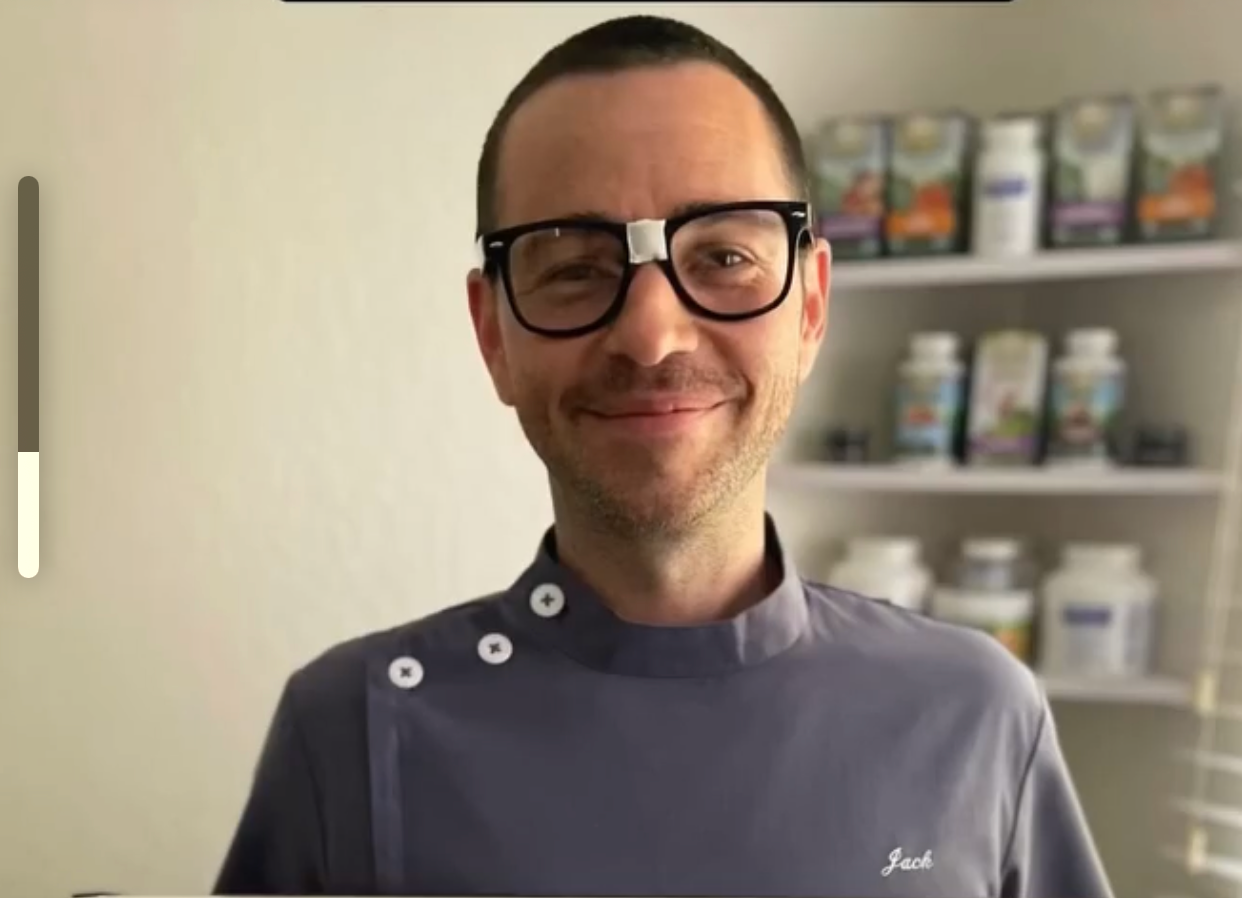
“I never would have had the tools and confidence to even create, let alone offer, such a program before Concussion Nerds!”
Just signed my first pro fighter into my new hybrid program. We're both very excited to be working together! It makes me so happy to be paid to do what I absolutely love: change lives for the better.
— Jack, Acupuncturist
“Natasha is that person I learn something new from every time I speak with her...”
I just watched the multimodal/ multi-systems approach and the concussion ladder and I love it. Feeling so excited that I am fully on track and dancing the dance!
— Shelley, Occupational Therapist
“Had I not been a part of CN, I wouldn’t have known better than everyone that came before.”
And now she has hope. “Just to see that things can improve” she said… She’s been looking for help for 4 years!
— Jack, Acupuncturist
SEE WHAT OTHERS MISS • THINK DIFFERENTLY • GO BEYOND PROTOCOLS • RAISE THE STANDARD OF CONCUSSION CARE
•
SEE WHAT OTHERS MISS • THINK DIFFERENTLY • GO BEYOND PROTOCOLS • RAISE THE STANDARD OF CONCUSSION CARE •
Mentorship & communityLearn alongside Clinicians Who Think like you.
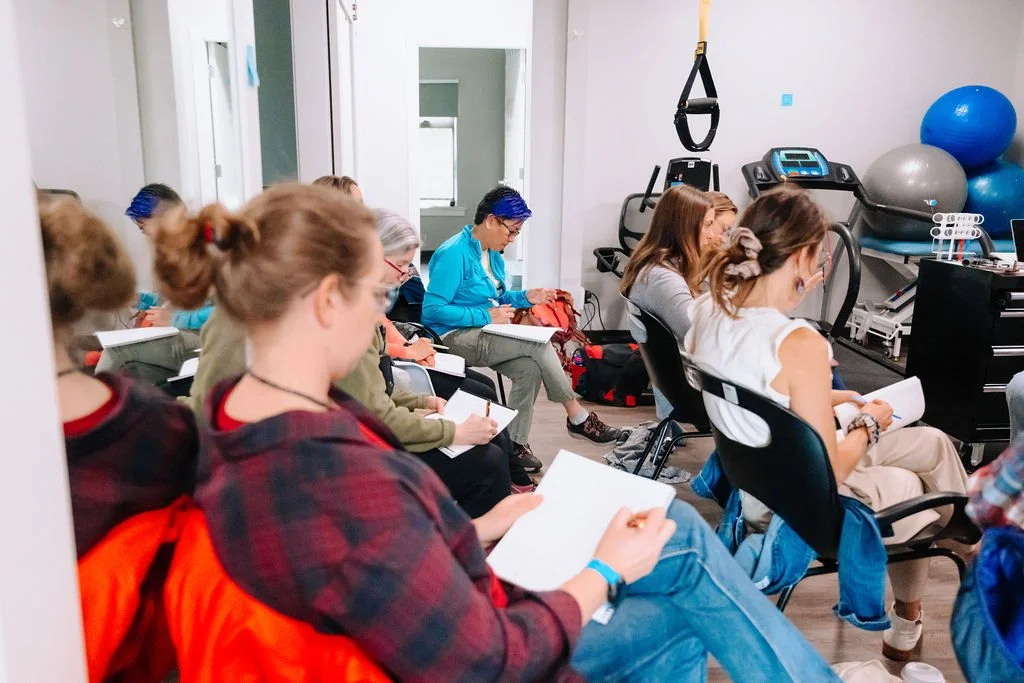
One of the most valuable parts of the Fellowship is becoming part of a community of curious clinicians who are committed to challenging their thinking, sharing ideas, and continually improving the care they provide.
Whether you're discussing complex cases during a mentorship call, connecting inside the community, or learning together at an immersion workshop, you'll be surrounded by people who genuinely understand the work you do.
You'll celebrate wins together, ask better questions together, and continue growing long after the modules are complete.
Because becoming a better clinician isn't something you do alone.
It's something you build together.
WORKSHOPS & IMMERSIONSLearning Is Different When You're in the Room.
The conversations are deeper, the questions are richer and the learning becomes real.
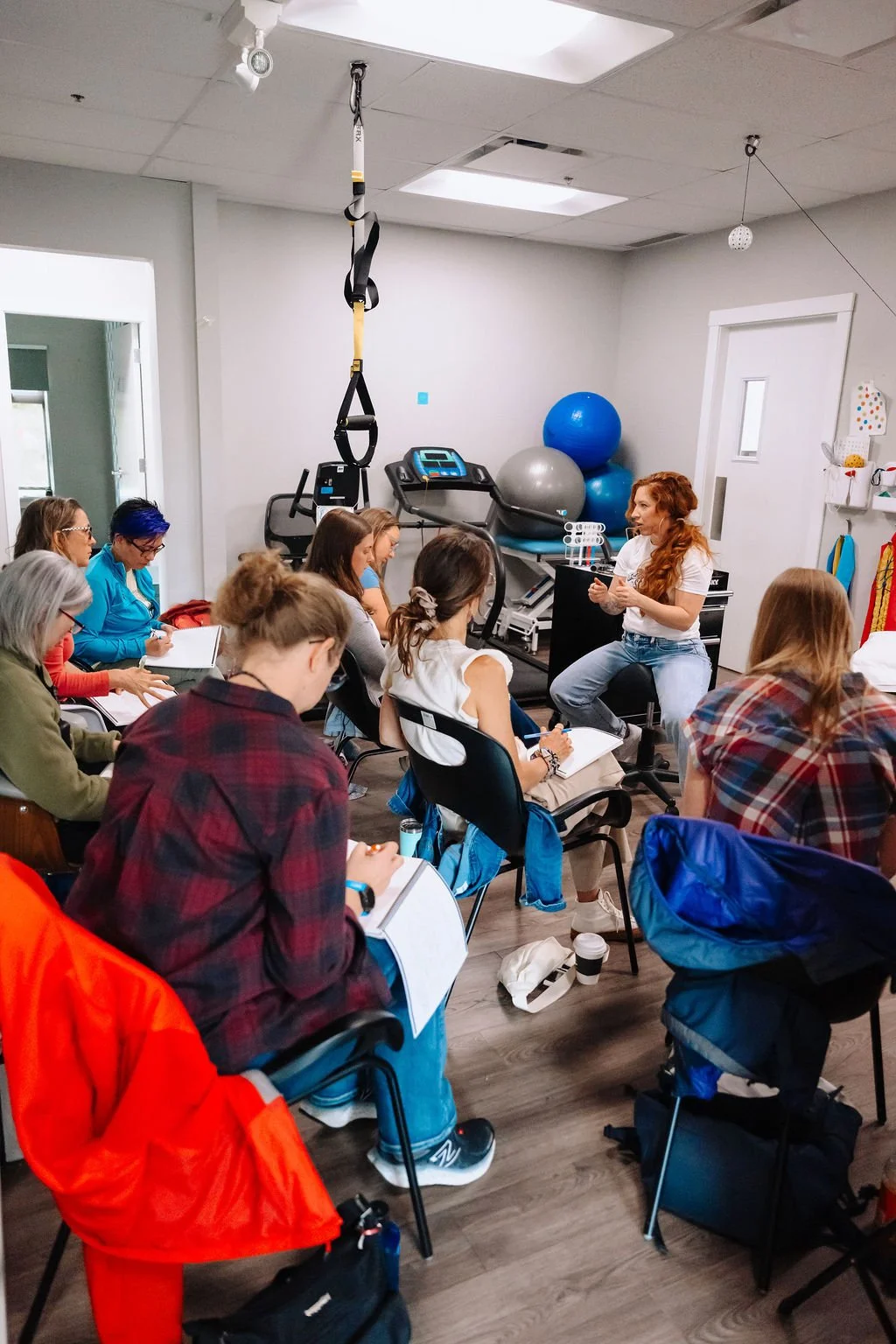
Our immersive workshops bring the Fellowship to life through hands-on learning, collaborative discussion, practical application, and connection with clinicians who are just as passionate about improving concussion care as you are.
You'll leave with new skills, fresh perspectives, greater clinical clarity, and a renewed sense of confidence in the work you do every day.
It's often the part of the Fellowship our clinicians remember most.
Because while information can be delivered online, transformation happens when people come together.
CLINICIAN TRANSFORMATIONSDon't Just Take Our Word for It.
The greatest measure of the Concussion Nerds Fellowship isn't what happens during the program. It's what happens when our clinicians return to practice.
They approach complex cases with greater clarity, trust their clinical reasoning, communicate with confidence, and most importantly, they create better outcomes for the people sitting in front of them.
FERNIE, BC
Emily, Physiotherapist & Owner
Ridgeline Physiotherapy
PORTLAND, OREGON
Rachel, Chiropractor
NORTH HAVEN, CONNECTICUT
Jaeden, Physiotherapist
Walk away with a new way of thinking.
The Concussion Nerds Fellowship isn't designed to just fill your head with more information. It's designed to change the way you approach concussion care.
By the end of the Fellowship, you'll have a clear framework for understanding complex presentations, greater confidence in your clinical decisions, and the ability to adapt your approach to the individual in front of you.
You’ll walk away with…
Confidence in Complex Cases
Know where to begin, even when symptoms don't fit neatly into a box.
Practical Assessment Skills
Develop a repeatable approach to assessing and prioritising what matters most.
Stronger Clinical Reasoning
Move beyond protocols and understand how multiple systems work together.
Rapport That Drives Results
Help your clients understand what's happening, why they're experiencing it, and where they're headed.
Join the next fellowshipThe Clinician You Want to Become Starts Here.
PopularPay in full$3,995
CAD
The Mentorship
Private onboarding call with Natasha
Your personalized roadmap, built around your goals from day one
Weekly live mentorship calls with Natasha
2x clinical calls, 1x research review, 1x business — every single month, for six months
The Curriculum
Immediate access to all 16 modules
Evidence-informed, system-by-system curriculum with a depth and precision that doesn’t exist anywhere else
Stunning PDF Workbooks
Designed to deepen and solidify your learning — the kind you’ll return to again and again
Assessment templates for immediate implementation
Start using what you’re learning with your clients right away
350+ research papers
The evidence behind every framework, curated and ready to go
Your AI Support
Meet ALFIE — your resident Concussion Nerd
Trained exclusively on the Concussion Nerds curriculum, workbooks, podcast and clinical resources. ALFIE is your always-on AI coaching suppport — built around the Concussion Nerds Framework and the way we think. There when you need guidance between sessions.
The Community
Welcomed to the NERDS multidisciplinary private community
From day one, you belong here. Many Nerds stay for years.
The Answer Vault
An ever-expanding searchable library of real-call moments, broken into clips by question. The collective wisdom of every cohort before you — always at your finger tips. And it only gets richer over time.
Guest Knowledge Vault
Expert voices, curated for clinicians who refuse to stop learning
The Breathwork Vault
Tools to support your nervous system as you grow
Discounts on technology and apps
The tools that support your clinical practice, at a reduced cost
Added to the Concussion Nerds Directory (upon program completion)
The Experience
In-person Immersion Weekend
Spring or Fall — your choice. Come together, practice skills, workshop real clients, and leave stronger than you arrived. Included in your investment.
Payment Plan
$733 CAD
x6 payments
The Mentorship
Private onboarding call with Natasha
Your personalized roadmap, built around your goals from day one
Weekly live mentorship calls with Natasha
2x clinical calls, 1x research review, 1x business — every single month, for six months
The Curriculum
Immediate access to all 16 modules
Evidence-informed, system-by-system curriculum with a depth and precision that doesn’t exist anywhere else
Stunning PDF Workbooks
Designed to deepen and solidify your learning — the kind you’ll return to again and again
Assessment templates for immediate implementation
Start using what you’re learning with your clients right away
350+ research papers
The evidence behind every framework, curated and ready to go
Your AI Support
Meet ALFIE — your resident Concussion Nerd
Trained exclusively on the Concussion Nerds curriculum, workbooks, podcast and clinical resources. ALFIE is your always-on AI coaching suppport — built around the Concussion Nerds Framework and the way we think. There when you need guidance between sessions.
The Community
Welcomed to the NERDS multidisciplinary private community
From day one, you belong here. Many Nerds stay for years.
The Answer Vault
An ever-expanding searchable library of real-call moments, broken into clips by question. The collective wisdom of every cohort before you — always at your finger tips. And it only gets richer over time.
Guest Knowledge Vault
Expert voices, curated for clinicians who refuse to stop learning
The Breathwork Vault
Tools to support your nervous system as you grow
Discounts on technology and apps
The tools that support your clinical practice, at a reduced cost
Added to the Concussion Nerds Directory (upon program completion)
The Experience
In-person Immersion Weekend
Spring or Fall — your choice. Come together, practice skills, workshop real clients, and leave stronger than you arrived. Included in your investment.
This isn't a course you complete and shelve. It's a community, a mentorship, and a way of thinking that stays with you — long after the six months end.
Questions? We’ve got answers.
-
I see you. You work a full day, the last thing you want is a two-hour lecture after dinner. No thanks.
That’s why:
Self-Paced Curriculum: No video is longer than 30 min (many are shorter). 1.5 hours/week gets you through the entire program.
Live Mentorship Calls: Three 60–90 min calls a month (replays time-stamped for fast watching).
Community: Off social media, in our private app. Jump in when you want, skip the endless scroll.
-
Heck yes! In fact, this is the best time to join.
You’ll skip years of trial-and-error and start with a system that works. Jonathan, a brand-new physio when he joined, went from never treating concussion to confidently managing cases in just six months. All because he learned, practiced, and had real-time feedback as he went.
-
Nope. When I started, I didn’t have fancy tools either, and you can still make massive change without them. We do talk about tech so you understand what’s worth adding later, and if you do want to add tech later, we’ll guide you on what’s worth it and when (and give you some savings too ;-) ).
-
Other programs give you information and then leave you to figure out how to implement it. You go home, stare at your notes, and wonder where to start. That doesn’t happen here.
The clinicians who join see an immediate return - in confidence, referrals, and revenue. This isn’t another course you’ll watch and shelve; it’s training you’ll use that week on your caseload. Confidence pays.
-
Absolutely.
We’ve had vestibular-certified physios, clinicians with 5+ years of concussion care, and grads of other well-known programs tell us the same thing: NERDS took them deeper, challenged their thinking, and transformed how they practice.
-
Yes! The monthly plan is flexible — you can cancel whenever you need. If you choose the 6-month journey, you’ll receive exclusive bonuses and 1:1 support for your full commitment period.
-
NERDS has helped clinicians around the world get better results with their clients. And yes, we have a 7-day full refund policy.
Before you hit that “cancel” button though, I’ll encourage you to be curious. Overwhelm in the first week? Totally normal. That’s why you get a 1:1 onboarding call with me to find your footing, get your questions answered, and make sure you’re set up for success.
-
I bet you're a little like me and when you find something you're passionate about you want to soak up as much as you can. That always means taking multiple courses in an area.
I can't speak to the other programs out there - what I can say is that we have had NERDS for which this has been their first concussion course and others where it had been number 3 or 4. Each and every Nerd pulled value and lessons from this program.
The consensus - we go deeper. We understand concepts at a more integrated level and apply that to assessment and treatment.That being said, Nerds is so much more than "just another concussion course". It is an in-depth 6 month clinical mentorship to help you catapult your concussion skills, confidence and thus your practice.
-
You have access to all the NERDS content for 6 months.
When your 6 months are complete but you're still loving our community and don't want to leave ... you don't have too 😉. We have options to continue to work with us and will happily share those with you!!
-
You are supported by Natasha and your dedicated Nerds Client Support, Cassie as well as all the other NERDS!
Natasha leads all your live mentorship calls and is also active in the private community with you!!